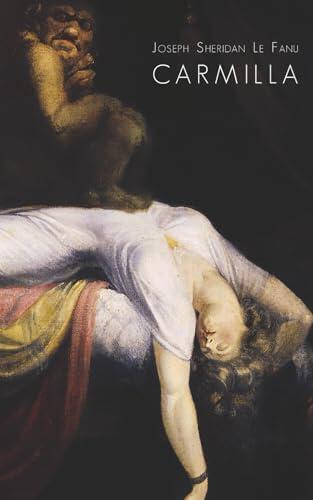
Carmilla
J. Sheridan Le Fanu's Immortal Vampire Masterpiece – The Original Lesbian Gothic Tale
“You will think me cruel, very selfish, but love is always selfish…”
1872. In the misty forests of Styria, a young Englishwoman named Laura lives in quiet isolation with her father in a crumbling schloss. One moonlit night, a carriage crashes outside their gates, depositing a beautiful, enigmatic stranger: Carmilla. Weak and amnesiac, she is taken in as a guest — and soon becomes Laura’s inseparable companion.
What begins as an intense, almost hypnotic friendship deepens into something darker. Laura dreams of a cat-like creature that bites her breast; she weakens day by day. Strange deaths plague the village: girls wasting away with the same mysterious marks. Carmilla’s affection turns possessive, her languor hides secrets, and her identity unravels through ancient portraits and forgotten legends. When a vampire hunter arrives, the truth emerges: Carmilla is Countess Mircalla Karnstein, a centuries-old predator who preys on young women she “loves.”
J. Sheridan Le Fanu’s Carmilla is the most influential vampire story before Dracula. Published 25 years earlier in In a Glass Darkly, it introduced the female vampire, the erotic bite, and the lesbian subtext that shocked Victorian readers. Le Fanu weaves Gothic atmosphere—isolated castles, moonlit ruins, decaying aristocracy—with psychological depth: Laura’s narration is feverish, unreliable, torn between desire and dread. The novella explores taboo themes of same-sex attraction, predatory femininity, and the blurring of love and death, all veiled in exquisite ambiguity.
Le Fanu, Ireland’s master of the supernatural (Uncle Silas, The House by the Churchyard), drew on Eastern European folklore and his own fascination with the uncanny. Carmilla influenced Bram Stoker (who borrowed Styria, the breast bite, and vampire hunters), Hammer Films’ Karnstein trilogy, and modern adaptations from Anne Rice to The Vampire Lovers and Carmilla web series. It remains a cornerstone of queer Gothic literature, feminist horror, and vampire mythology.
Over 150 years later, in an age of Twilight and Interview with the Vampire, Le Fanu’s original still bites deepest: sensual, sinister, and subversively seductive.
Perfect for fans of Dracula, Frankenstein, Shirley Jackson, Anne Rice, or anyone drawn to elegant terror and forbidden desire.
“You are mine, you shall be mine, you and I are one for ever.”

Añadir una reseña
Su e-mail no será publicado. Los campos obligatorios estan señalados
Su puntuación *
Necesita Acceder a su cuenta o Registrarse