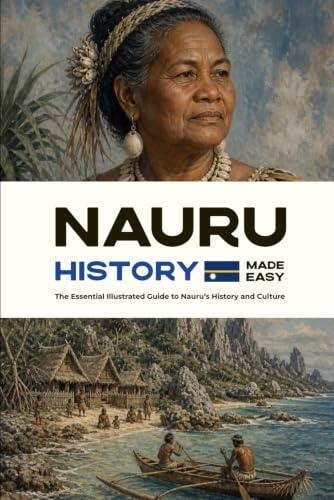
Nauru became rich by mining the island beneath its people, then had to face the bill when the wealth and the land were gone. Micronesian society and early European contact lead into firearms, phosphate, colonial administration, Japanese occupation and deportation, trusteeship, independence, offshore finance, mined land, detention policy, and the struggle for a viable future. Extraction and sovereignty cannot be separated here.
Did You Know?
- Did you know Nauru’s traditional society was organized through clans and districts around a fertile central plateau?
- Did you know firearms and visiting traders helped destabilize the island before colonial rule?
- Did you know phosphate mining removed most of the island’s high ground and transformed its economy?
- Did you know Japanese forces deported many Nauruans during the Second World War?
- Did you know Nauru became independent in 1968 and briefly enjoyed extraordinary per-capita wealth?
- Did you know the republic later faced environmental damage, financial crisis, and international pressure over offshore policies?
What This Book Includes
- Clan society, phosphate rule, wartime deportation, independence, and financial crisis showing the costs of rapid extraction.
- Phosphate, war, displacement, independence, finance, and environmental repair.
- Nauruan voices and political choices driving the account rather than sitting at its margins.
- Resource wealth, environmental damage, and sovereign choices examined together.








Añadir una reseña
Su e-mail no será publicado. Los campos obligatorios estan señalados
Su puntuación *
Necesita Acceder a su cuenta o Registrarse